


-

Add: HeBei ShengShi HongBang Cellulose Technology CO.,LTD.
-

Email
13180486930@163.com -

CONTACT US
+86 13180486930



Methylcellulose An Essential Excipient in Pharmaceutical Innovations In the realm of pharmaceutical science, the importance of excipients can't be overstated. Methylcellulose, a cellulose derivative, stands as a pivotal player in the formulation of various medications, offering unique properties that enhance drug delivery and efficacy. This article explores the multifaceted applications of methylcellulose in pharmaceuticals, underpinned by a deep dive into its characteristics and contributions to modern medicine. Methylcellulose is renowned for its exceptional ability to act as a binder, emulsifier, and controlled-release agent. This versatility stems from its unique chemical structure, which combines cellulose with methyl ethers. This modification endows methylcellulose with hydrophilic and viscoelastic properties, making it invaluable in tablet formation. In experience-driven product development, many formulation scientists have attested to its efficient binding capabilities that ensure tablets are robust and cohesive, yet break down efficiently in the digestive system for optimal drug absorption. Its emulsifying properties are equally significant. Methylcellulose acts as a stabilizer for emulsions, crucial for the production of topical ointments and creams where active pharmaceutical ingredients (APIs) are dispersed in a carrier substance. Expertise in formulation confirms that methylcellulose contributes to the uniform distribution of APIs, enhancing the product's overall therapeutic efficacy. This makes it an indispensable component in dermatological applications, exuding trust through consistent performance and patient outcomes. Controlled-release formulations are the frontier of patient-centric drug delivery systems. Methylcellulose functions as a matrix former in these formulations, providing sustained release of active ingredients over prolonged periods. This minimizes dosing frequency and enhances patient compliance—a testimony to its authoritativeness in pharmaceutical research and development. Numerous clinical studies validate its effectiveness in achieving steady plasma concentration levels of medications, thereby optimizing therapeutic results and reducing side effects. methylcellulose used in pharmaceuticals Notably, the trustworthiness of methylcellulose in pharmaceuticals is anchored on its safety profile . It is an inert compound, not absorbed systemically, reducing the risk of adverse effects. This inertness, coupled with its biodegradability, makes methylcellulose an eco-friendly choice for pharmaceutical industries committed to sustainable practices. Regulatory agencies, including the FDA, have extensively reviewed and approved its use across various drug formulations, further cementing its status as a reliable excipient. Furthermore, patient experience with methylcellulose-based products is overwhelmingly positive. Anecdotal evidence and patient testimonials highlight improved compliance due to the ease of administration and the enhanced stability of formulations. This feedback, gathered over years of clinical use, continuously informs improvements in product design and delivery methods, reinforcing methylcellulose's place in pharmaceutical innovation. As the pharmaceutical landscape evolves, the demand for novel delivery systems and patient-friendly formulations grows. Methylcellulose, with its diverse applications and proven benefits, remains at the forefront of this evolution. It epitomizes the intersection of scientific innovation and practical application, underscoring the importance of excipients in the advancement of healthcare solutions. By integrating methylcellulose with technological advancements, pharmaceutical companies not only enhance the quality and efficacy of their products but also fortify their reputation in the industry. Thus, methylcellulose is not merely an excipient; it is a cornerstone of pharmaceutical excellence, instrumental in shaping the future of medicine.
- 40000tons

Production
- 20+years

Experience
- 5000+㎡

Acreage

-

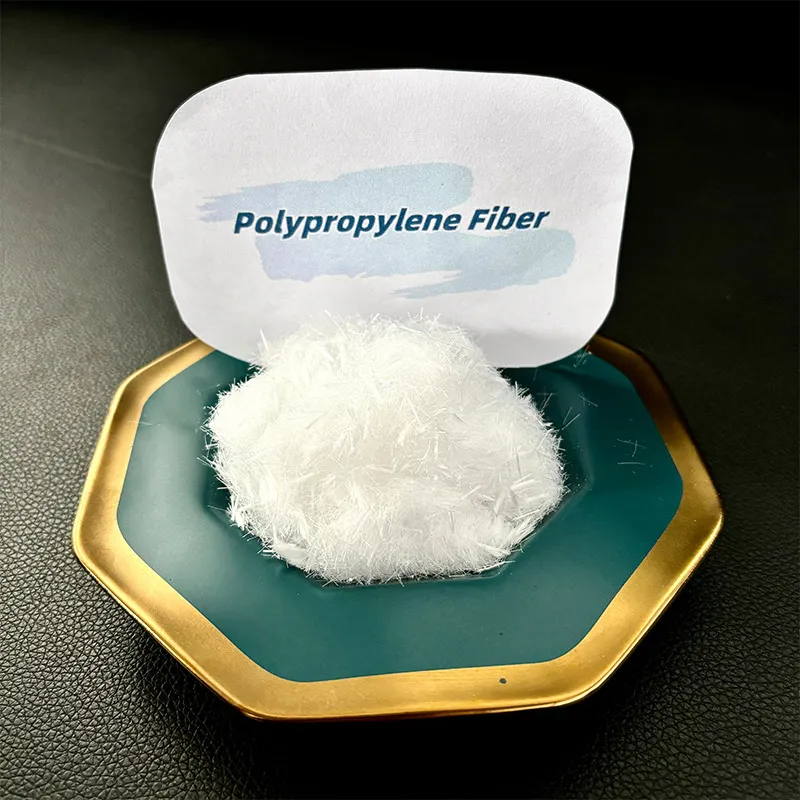
Insulation materials represent a critical frontier in sustainable construction, balancing thermal efficiency, structural resilience, and environmental impact. Among these, polypropylene fiber has emerged as a transformative component, particularly in concrete and composite applications. Derived from thermoplastic polymers, this synthetic fiber leverages polypropylene’s innate chemical inertness, low density, and hydrophobic nature to enhance building performance. Unlike traditional materials like asbestos or cellulose, polypropylene fiber resists rot, mildew, and alkaline degradation, making it ideal for humid environments or subterranean structures. Its integration into concrete matrices doesn’t merely supplement strength; it fundamentally redefines material behavior under stress, moisture, and thermal fluctuation. Polypropylene Fiber : Revolutionizing Therma Polypropylene fiber transforms concrete from a brittle material into a ductile, damage-tolerant composite. When embedded in mortar or concrete, millions of fine fibrils create a three-dimensional reinforcement network that mitigates plastic shrinkage cracks during curing—a common failure point in slabs and pavements. Beyond crack control, these fibers significantly reduce water permeability by blocking capillary channels within the concrete matrix. This is critical for foundations, basements, and water-retaining structures exposed to hydrostatic pressure. The fiber’s non-polar molecular structure inherently repels water, preventing chloride ion ingress that corrodes steel rebar. In cold climates, this translates to robust frost resistance: by minimizing internal water content, polypropylene fiber curbs destructive freeze-thaw cycles that cause scaling and spalling. Additionally, its flexibility absorbs kinetic energy, enhancing blast resistance in security-sensitive installations like embassies or data centers. Versatile Insulation of Polyolefin Fiber Polyolefin fiber , the polymer family encompassing polypropylene, shares key traits that benefit building materials: high tensile strength, corrosion resistance, and recyclability. Polyolefins are synthesized through catalytic polymerization, creating hydrocarbon chains that resist chemical attacks from acids, alkalis, and solvents. This durability is indispensable in industrial settings where concrete encounters aggressive substances, such as wastewater plants or chemical storage facilities. As a subset of polyolefin fiber , polypropylene fiber inherits these traits while offering superior melt-processability, allowing manufacturers to engineer fibers with customized length. Innovations like surface fibrillation—where fibers split into microfilaments—increase bonding surface area with cement paste, optimizing load transfer. Crucially, polyolefin fiber supports circular economy goals; post-industrial polypropylene waste is readily reprocessed into new fibers, reducing landfill burden versus non-recyclable mineral wool or fiberglass. Macro Fiber : Enhancing Impact Resistance and Longevity Macro fiber designed to replace welded wire mesh or rebar in secondary structural applications. Polypropylene fiber variants in this category—often crimped or deformed for anchorage—bridge macro-cracks in concrete, maintaining structural cohesion even after initial failure. This is vital for earthquake-prone regions where ductility prevents sudden collapse. Macro fiber also combats abrasion in high-traffic floors, warehouses, and bridge decks by dispersing localized wear across the fiber network. Unlike steel, polypropylene macro fiber eliminates rust-jacking (corrosion-induced cracking), especially in salt-rich coastal or de-iced environments. Its low modulus of elasticity ensures compatibility with concrete’s natural movement, reducing delamination risks. For insulation composites, macro fiber reinforces lightweight aerated concrete or gypsum boards, allowing thinner installations without sacrificing impact resistance. Sustainability and Future Innovations in polypropylene fiber Insulation The ecological advantages of polypropylene fiber extend beyond recyclability. Production consumes 50% less energy than glass fiber and generates minimal volatile organic compounds. Emerging research focuses on bio-sourced polyolefins from sugarcane or waste biomass, further shrinking the carbon footprint. Hybrid systems combining polypropylene fiber with phase-change materials are also gaining traction; fibers distribute PCMs uniformly, enabling concrete to absorb/release heat during temperature swings. However, challenges persist, notably microplastic shedding during demolition. Solutions include developing biodegradable coatings or closed-loop recycling protocols. As net-zero construction mandates expand, polyolefin fiber ’s role in carbon-storing concretes will accelerate, positioning it as a linchpin of green building codes. FAQs about Polypropylene Fiber What distinguishes polypropylene fiber from steel reinforcement? Polypropylene fiber provides diffuse, full-volume reinforcement versus steel’s localized support. It prevents micro-cracks during curing, resists corrosion, and reduces labor costs. However, steel remains essential for primary load-bearing elements, while fibers excel in crack control and durability enhancement. Can macro fiber entirely replace traditional rebar? In non-structural applications (e.g., pavements, shotcrete slopes), macro fiber suffices. For structural members like beams or columns, it complements rebar by improving impact resistance and reducing crack widths but cannot bear equivalent tensile loads. How does polyolefin fiber enhance insulation efficiency? Its hydrophobic nature minimizes thermal bridging caused by moisture. When integrated into insulating concretes or boards, it traps air pockets while blocking vapor diffusion, maintaining stable R-values in humid conditions. Is polypropylene fiber suitable for high-temperature environments? Standard polypropylene fiber softens at 160°C, limiting use in fire-rated assemblies. Flame-retardant variants with melting points exceeding 300°C are available for fireproofing sprays or intumescent coatings. What end-of-life options exist for polyolefin fiber composites? Mechanically separated fibers can be recycled into new building products. Research on thermal depolymerization converts waste into liquid hydrocarbons for reprocessing, though commercial scalability remains evolving. Polypropylene fiber transcends its role as a mere additive, becoming a cornerstone of modern, resilient construction. By enhancing water resistance, frost durability, and crack control, it extends infrastructure lifespans while reducing maintenance burdens.For architects and engineers, mastering its applications isn’t just a technical advantage; it’s an investment in enduring, eco-conscious built environments.
-
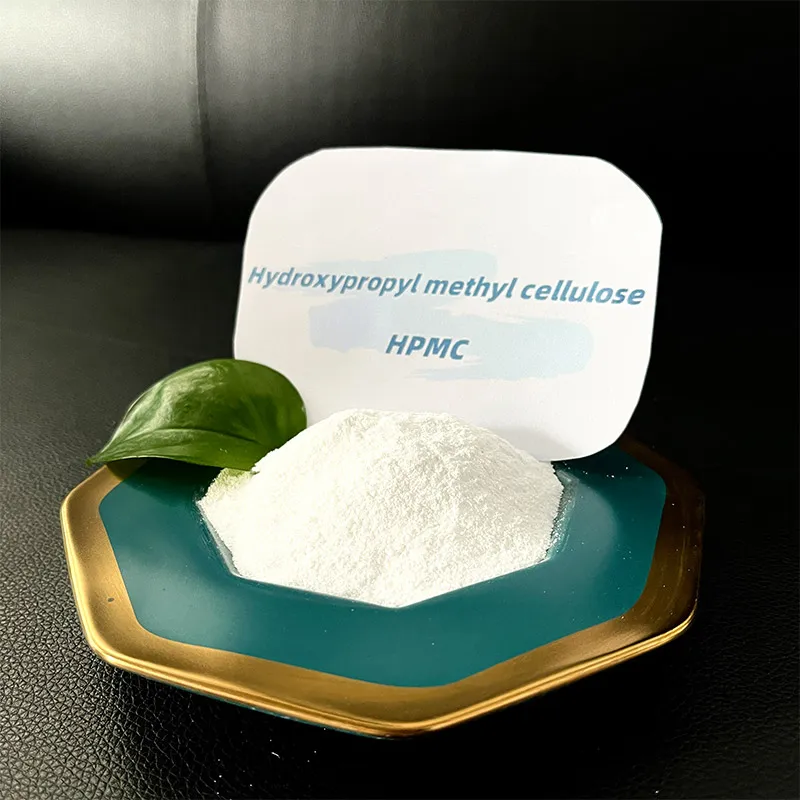
Dans le monde numérique compétitif d'aujourd'hui, trouver un numéro de contact fiable pour des produits essentiels comme l'HPMC (Hydroxypropyl Methylcellulose) est crucial pour de nombreuses entreprises industrielles et scientifiques. L'HPMC est un polymère utilisé dans des domaines variés allant de la construction à la pharmaceutique, grâce à ses propriétés de rétention d'eau et épaississantes. Avec des années d'expérience dans l'optimisation des moteurs de recherche, je peux affirmer que l'accès à des informations exactes et fiables concernant les fournisseurs d'HPMC est essentiel pour garantir une continuité opérationnelle et une qualité de produit irréprochable. Un numéro de contact clair et accessible est la première étape pour établir une communication fluide avec un fournisseur de confiance . C'est pourquoi les entreprises doivent accorder une attention particulière aux détails des points de contact dans leurs recherches en ligne. L'HPMC joue un rôle essentiel dans la production de médicaments en tant qu'agent d'enrobage et de liaison, garantissant ainsi la libération contrôlée des principes actifs. Dans le secteur alimentaire, il agit comme un stabilisant pour assurer la consistance et la texture des produits. Pour les applications industrielles, l'HPMC est un composant crucial dans la formulation de peintures et adhésifs, où il améliore la viscosité et l'adhérence. Ces fonctions diversifiées font de l'HPMC un produit hautement recherché, nécessitant des informations fiables et détaillées sur l'approvisionnement. L'expertise est cruciale pour comprendre le marché de l'HPMC et identifier des fournisseurs crédibles. Les experts recommandent de prêter attention à la qualité des produits proposés et aux certifications obtenues par le fabricant. Des certifications internationales telles que ISO 9001 attestent de la qualité de fabrication et du respect des normes, étayant ainsi la crédibilité du fournisseur. La recherche d'un contact direct par le biais d'un numéro de téléphone vérifié permet non seulement d'obtenir des informations en temps réel mais également d'établir une relation professionnelle fructueuse et durable. Numéro de contact hpmc En tant que spécialiste du référencement, j'entends souvent des inquiétudes concernant la fiabilité des informations de contact trouvées en ligne. La vérification des numéros de contact sur les sites officiels du fabricant ou via des annuaires d'entreprises spécialisés est une étape primordiale pour garantir l'exactitude des informations. Il est conseillé de croiser ces informations avec des plateformes de revue d'entreprise pour s'assurer de la réputation du fournisseur et ainsi instiller un climat de confiance mutuelle. Dans cette dynamique, la confiance joue un rôle pivot. Un fournisseur transparent quant à ses procédés de fabrication, qui offre un service clientèle facilement accessible et réactif, contribue à instaurer une relation de confiance. En cas de doute, le recours aux avis de clients précédents ou aux témoignages sur des forums professionnels peut s'avérer inestimable. Au-delà des aspects purement transactionnels, l'établissement d'un contact avec le fournisseur d'HPMC peut également offrir un aperçu des tendances du marché et des innovations à venir dans le domaine. Les entreprises à la pointe de la technologie partagent souvent des informations sur les développements futurs qui peuvent influencer les stratégies commerciales. Cela peut être un atout supplémentaire pour les entreprises cherchant à rester à l'avant-garde de l'industrie. En résumé, obtenir le numéro de contact approprié pour un fournisseur d'HPMC est une tâche qui nécessite une approche précautionneuse, mêlant expertise et diligence. Une fois établi, ce contact peut devenir un pilier central pour assurer une chaîne d'approvisionnement sans faille et une qualité de produit optimale. Il est crucial de ne pas sous-estimer la valeur d'une communication fluide et ouverte avec votre fournisseur, car cela peut significativement impacter la réussite à long terme de vos opérations commerciales.
advantages
-

200000 Viscosities
Excellent product
We can produce pure products up to 200,000 viscosities
-

40000 tons
High yield
We don’t stop production all year round, and the annual output can reach 40,000 tons
-

24 hours
Quality service
We provide 24-hours online reception service, welcome to consult at any time
———— Inquiry Form
Schedule A services
-
 kahoy_na_selulusa
Oct . 25, 2025
Hydroxypropyl methylcellulose (HPMC) is a synthetic polymer widely used for its versatility and appl - effet_de_la_fibre_de_polypropylene_dans_le_beton
Oct . 25, 2025
Understanding Cellulose Derived from Wood Cellulose is a vital organic compound that forms the struc -
 hpmc_juice_bar
Oct . 25, 2025
Retaining optimal eye health in today’s digitally-driven world poses a significant challenge, with i


